Process Overview
Anodizing
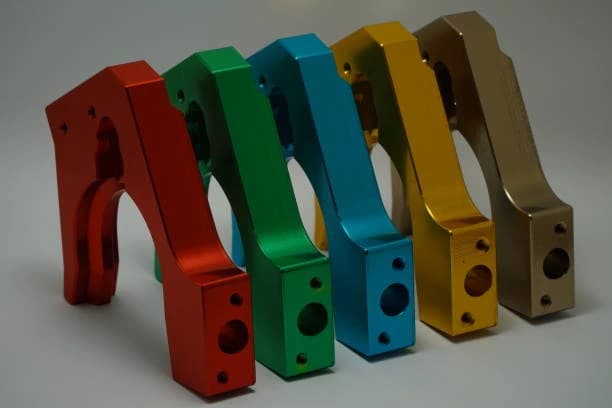
Anodizing is an electrochemical process that converts the surface of aluminium into a durable, corrosion-resistant aluminium oxide layer. Unlike electroplating which deposits metal, anodizing grows an integral oxide layer into the aluminium surface. At Sunsai, we offer black color anodizing for a deep, professional finish, and matte anodizing for a natural silver-grey surface with improved hardness and corrosion resistance.
Coating Thickness
Color anodizing (black)
5 – 25 µm
Matte anodizing
5 – 25 µm
Typical Turnaround
4–6 business days (standard)
Available Types
Types of Anodizing
Color Anodizing (Black)
The anodic oxide layer is dyed black before sealing, producing a deep, uniform matte-to-semi-gloss black surface. Black anodizing is the most commonly specified colour for industrial, architectural, and consumer electronics applications — offering excellent UV stability, corrosion resistance, and a professional appearance.
Matte Anodizing
A natural (undyed) anodic oxide with a controlled matte surface texture, produced by etching the aluminium before anodizing. Preserves the silver-grey metallic character of aluminium while significantly improving hardness, corrosion resistance, and paint/adhesive adhesion. Standard choice for industrial and structural aluminium components.
Why It Works
Key Advantages
- Integral surface treatment — will not peel or chip
- Significantly increased hardness and wear resistance
- Excellent corrosion resistance
- Wide colour range available
- Improved paint and adhesive adhesion
- Environmentally responsible (no heavy metals)
Where It's Used
Applications
- →Architectural aluminium panels and profiles
- →Consumer electronics enclosures
- →Automotive aluminium trim
- →Sporting goods and bicycle components
- →Medical devices and equipment
- →Industrial aluminium machinery parts
Common Questions
Anodizing FAQs
How We Do It
Our Process
A proven, step-by-step approach — from surface preparation to final inspection.
Degreasing & alkaline etch
Desmut / brightening (optional)
Anodic oxidation in sulphuric acid bath
Dyeing (colour anodizing only)
Sealing in hot deionised water or nickel acetate
Final inspection & packaging
Step 1
Degreasing & alkaline etch
Step 2
Desmut / brightening (optional)
Step 3
Anodic oxidation in sulphuric acid bath
Step 4
Dyeing (colour anodizing only)
Step 5
Sealing in hot deionised water or nickel acetate
Step 6
Final inspection & packaging
Anodizing is exclusive to aluminium alloys — it deposits no metal. The oxide grows both into and out of the aluminium surface. Black color anodizing requires a dye immersion step between oxidation and sealing; matte anodizing skips dyeing but uses an extended alkaline etch to develop a uniform low-gloss texture before oxidation. Dye uptake and final colour depth depend on alloy composition — some alloys (e.g. 2xxx series) anodize poorly.