
Process Overview
Buffing & Polishing
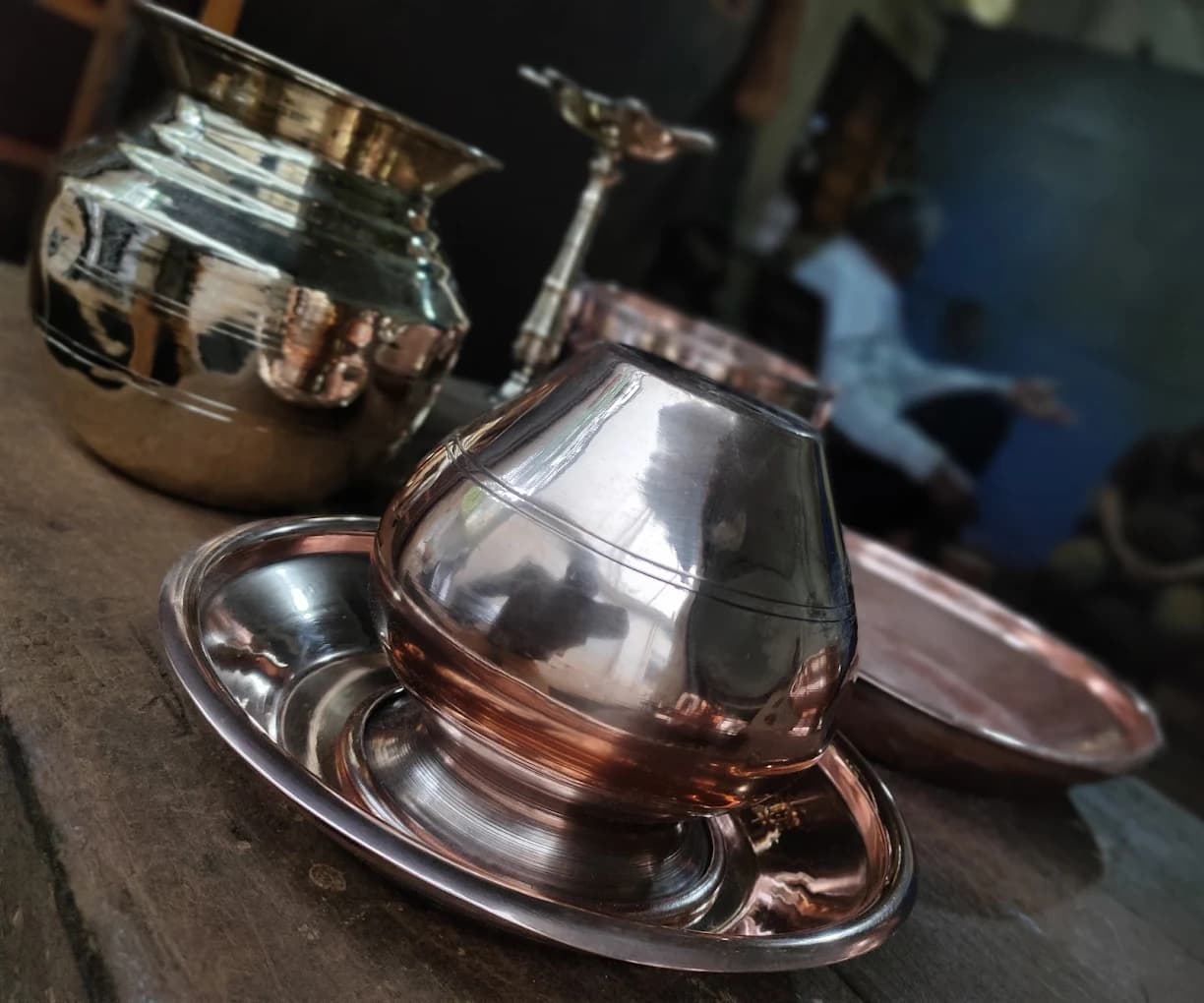
Buffing and polishing is a mechanical surface finishing process that removes surface defects, scratches, and oxidation to produce smooth, reflective surfaces. As a pre-plating step, it significantly improves the adhesion and appearance of electroplated coatings. As a standalone process, it delivers mirror-bright or satin finishes on stainless steel, brass, aluminium, and other metals.
Coating Thickness
N/A — no coating applied
Typical Turnaround
2–4 business days (standard)
Available Types
Types of Buffing & Polishing
Mirror Polish
The highest level of surface finish — a highly reflective, mirror-bright surface achieved through progressive abrasive cutting and buffing. Essential for decorative chrome plating and premium consumer products.
Satin Finish
A smooth, low-gloss finish with fine parallel lines. Provides a modern, brushed appearance without high reflectivity. Popular in architectural applications and premium consumer goods.
Brushed Finish
A directional matte finish achieved with abrasive belts or wheels. Conceals minor surface marks and fingerprints. Common on stainless steel appliances, handrails, and industrial equipment.
Why It Works
Key Advantages
- Removes surface defects, pits, and scratches
- Essential pre-treatment for quality electroplating
- Dramatically improves plating adhesion
- Achieves mirror-bright or satin appearance as standalone
- Improves hygiene properties of surfaces
- Prepares surface for subsequent coatings
Where It's Used
Applications
- →Pre-plating preparation for chrome and nickel
- →Stainless steel fabrications and equipment
- →Automotive accessories and wheels
- →Architectural metalwork and handrails
- →Jewellery and silverware
- →Sanitary fittings and valves
Common Questions
Buffing & Polishing FAQs
How We Do It
Our Process
A proven, step-by-step approach — from surface preparation to final inspection.
Surface condition assessment
Coarse grinding / fettling (heavy defects only)
Progressive abrasive belt or wheel polishing
Sisal mop with cutting compound
Cotton / felt mop with finishing compound
Final inspection & degreasing
Step 1
Surface condition assessment
Step 2
Coarse grinding / fettling (heavy defects only)
Step 3
Progressive abrasive belt or wheel polishing
Step 4
Sisal mop with cutting compound
Step 5
Cotton / felt mop with finishing compound
Step 6
Final inspection & degreasing
Buffing and polishing is a purely mechanical, chemical-free process. The number of abrasive stages depends on the starting surface condition — heavily pitted or scaled parts require more stages. Grit sequence, mop type, and compound grade are selected per metal type (stainless steel, brass, aluminium, etc.).